Dental Implants Chula Vista: Restorative & Emergency Care
Schedule a consultation for dental implants Chula Vista patients trust. Compare emergency care and restorative dentistry options at a forward-thinking...

When a tooth is missing, damaged, or suddenly painful, the right next step is about more than appearance. Your treatment should help you eat comfortably, speak clearly, protect your oral health, and feel confident about your smile. In Chula Vista, that may mean coordinating implant treatment with emergency or restorative care, depending on what your teeth and gums need today.
Dental implants Chula Vista patients consider can provide a stable, functional replacement for missing teeth, and evidence summarized by the National Library of Medicine reports success above 97% over 10 years: https://www.ncbi.nlm.nih.gov/books/NBK470448/. A thorough exam and personalized plan are essential because the best solution depends on your jawbone, gum health, number of missing teeth, and overall goals.
Schedule your implant consultation today
Understanding why implants are widely regarded as a leading replacement option can make it easier to compare your choices and plan the care that fits your needs.
Why Dental Implants Are the Gold Standard for Replacing Missing Teeth
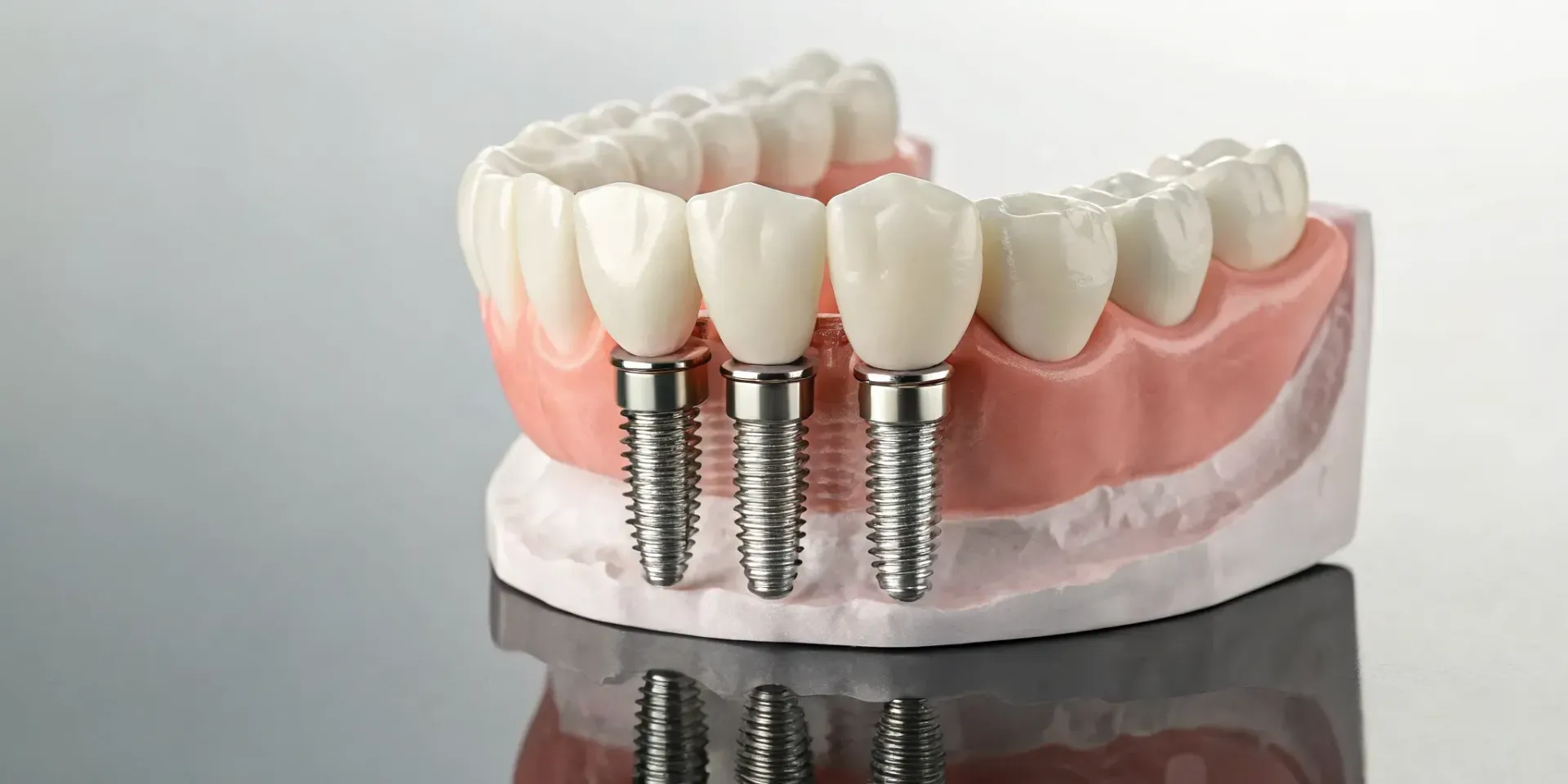
Replacing a missing tooth is about more than filling an empty space in your smile. A well-planned restoration should help you chew comfortably, speak clearly, and maintain a healthy relationship between your teeth, gums, and jaw. Dental implants are designed to do that work from the foundation up. They replace the tooth root with a small implant post, then support a crown, bridge, or full-arch restoration above the gumline.
That functional design is one reason many patients and dental professionals regard implants as the leading option for tooth replacement. Unlike a restoration that only sits on the surface, an implant becomes anchored in the jaw through osseointegration. The process in which the implant forms a direct, rigid connection with bone. The result is a stable base for everyday activities such as eating and speaking, while the visible restoration is shaped to complement the surrounding teeth.
Protecting the foundation beneath your smile
After tooth loss, the jawbone in that area no longer receives the same stimulation from a natural tooth root. Over time, this can contribute to bone resorption. Dental implants help address that concern by providing the stimulation needed to help preserve jawbone density. This support can be important for maintaining the structure of the smile and the fit of future restorations.
Implants may also offer advantages over conventional bridges when appropriate for a patient's needs. The clinical reference from the National Center for Biotechnology Information notes better maintenance of bone at the missing-tooth site and a reduced risk of decay and endodontic problems in adjacent teeth. A bridge can be an effective treatment in many situations, but it typically relies on neighboring teeth for support. An implant-supported restoration is planned around the missing tooth site instead.
A solution that can grow with your needs
Dental implants are versatile. They may replace one missing tooth, support several teeth, or serve as the foundation for a full-arch restoration when many teeth are missing. That range allows treatment planning to focus on your oral health, goals, and anatomy rather than forcing every patient into the same type of appliance. Your dentist can explain which approach is appropriate after an examination and diagnostic imaging.
Implants are also intended as a long-term solution. With consistent home care, routine dental visits, and professional maintenance, they can last for many years and may last a lifetime. Longevity is never a guarantee, and the health of the gums and supporting bone remains important, but proper maintenance gives the restoration its best opportunity to perform well.
For patients comparing dental implant services in Chula Vista, the key question is not simply whether an implant looks natural. It is whether the treatment can restore dependable function while supporting long-term oral health. Since oral health is a vital part of overall health, replacing missing teeth can be an important step in protecting your comfort, confidence, and well-being.
Who Is a Good Candidate for Dental Implants?
Dental implants may be an option for adults who are missing one tooth, several teeth, or a full arch, but candidacy is not determined by tooth loss alone. The right treatment depends on the condition of your gums, the amount of bone available, your general oral health, and your goals for restoring comfort and function. A consultation for dental implants in Chula Vista begins with an evaluation rather than a one-size-fits-all recommendation.
Adequate bone and healthy gums matter
An implant is supported by the jawbone, so adequate bone volume and density are important factors in planning treatment. The available jawbone is a primary consideration because it must provide a stable foundation for the implant structure. Healthy gums are also important. Untreated gum disease can affect the tissues around an implant, which is why periodontal problems should be addressed before implant placement. The American Academy of Implant Dentistry explains the role of healthy gums and adequate bone in implant candidacy.
Bone loss does not automatically rule out treatment. In some cases, bone grafting can help recreate a suitable foundation when there is not enough bone to support an implant. Whether that approach is appropriate depends on the location and extent of bone loss, as well as your overall treatment plan. Your dentist can explain what preparation may be needed and how it could affect the timing of your restoration.
Your habits and oral health history are part of the conversation
Smoking is another factor your dental team will consider. It can impair the process by which the implant joins with the bone and increase the risk of implant failure. If you smoke, be open about your current habits so your provider can discuss how they may affect healing and whether changes are recommended before treatment. A history of gum disease, previous bone loss, or other oral health concerns should also be included in your medical and dental history.
An exam determines whether implants fit your needs
A comprehensive dental exam with diagnostic imaging is the first step in determining whether you are a suitable candidate. The evaluation allows the dental team to assess your gums and jawbone, review the location of missing teeth, and identify any conditions that should be treated first. Imaging also helps with precise treatment planning. According to the National Center for Biotechnology Information, thorough clinical examination and diagnostic imaging form the foundation of successful implant treatment: review the clinical overview of dental implants.
In short, a good candidate is someone whose oral health and bone support can provide a reasonable foundation for treatment. Or who can first complete the necessary preparatory care. The consultation is where those factors come together in an individualized plan.
How the Dental Implant Process Works Today
Dental implant treatment is planned in stages so each decision supports the next one. The exact sequence depends on your oral health, the number of teeth being replaced, and how much healthy jawbone is available. For patients considering dental implants Chula Vista dentists typically begin with a careful evaluation, then coordinate placement and restoration around the way your mouth heals.
Consultation and comprehensive examination
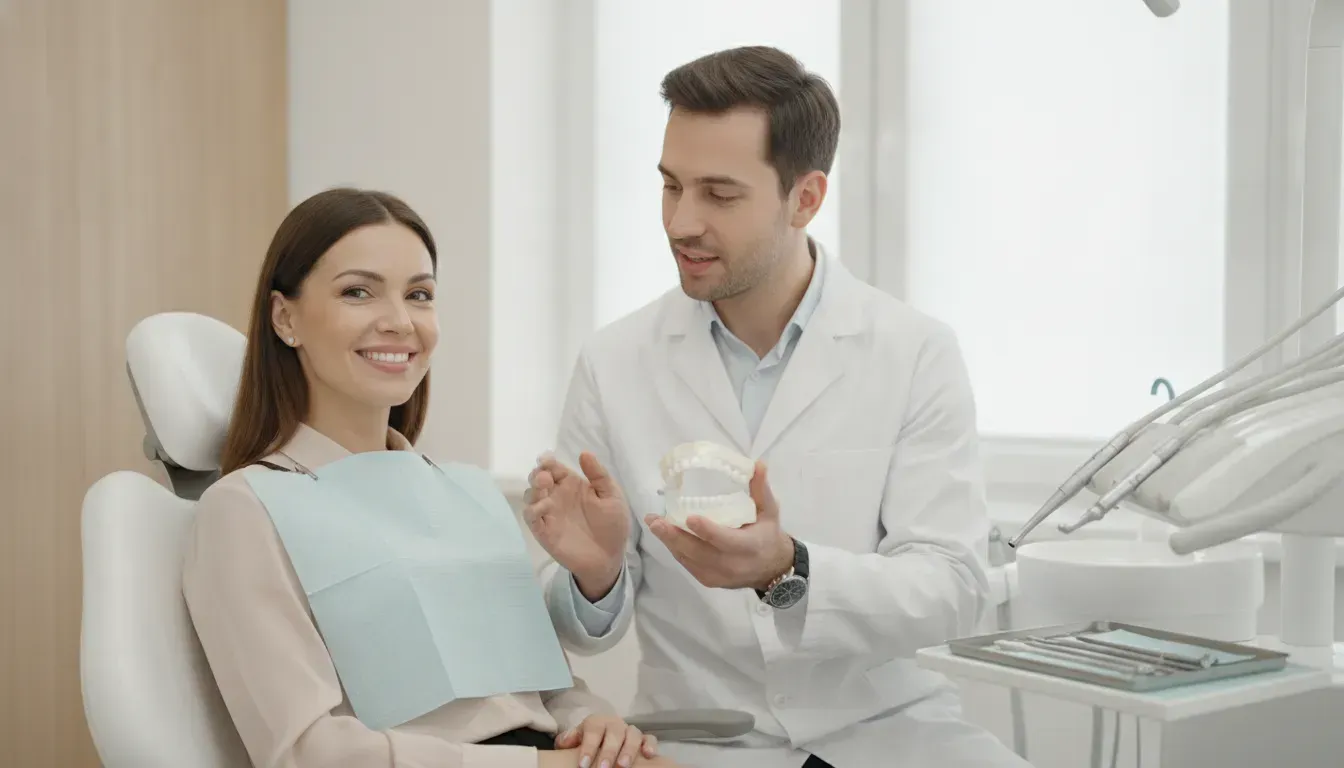
- Your first visit is more than a discussion about replacing a missing tooth. The dentist reviews your medical and dental history, examines your gums and remaining teeth, and discusses your goals for chewing, speaking, and appearance. This evaluation helps identify issues that could affect treatment, such as active gum disease, infection, or inadequate bone support. If preliminary care is needed, addressing it first can create a healthier foundation for implant treatment. You will also have an opportunity to ask about the expected stages, healing period, anesthesia, and restoration.
Imaging and personalized treatment planning
- Advanced diagnostic imaging gives the dental team a more complete view of the jaw and the structures around the proposed implant site. These images help guide the position, angle, and depth of placement while supporting safer, more accurate planning. Your plan may involve one implant and crown, several implants, or implant support for a larger restoration. The technology has evolved along with implant materials, giving clinicians more ways to plan natural-looking, durable results while keeping the treatment centered on your anatomy and needs. Learn more about implant planning and placement considerations from the National Center for Biotechnology Information.
Implant placement
- During placement, the dentist positions a small implant post in the jawbone to serve as the foundation for the replacement tooth. The procedure is performed with appropriate anesthesia, and your care team explains what to expect before and after the appointment. Some patients experience minor discomfort during the early healing phase, which is generally manageable with routine pain-management guidance. Your instructions may include how to care for the area, what foods are comfortable, and when to return for follow-up.
Healing and osseointegration
- After placement, the implant needs time to become securely connected with the surrounding bone. This biological process, called osseointegration, creates a direct, rigid attachment between the implant and jawbone. It is a key reason implant treatment cannot be rushed. Healing time varies from person to person and depends on the complexity of the case, bone quality, and any preliminary procedures. The full treatment timeline can range from a few months to more than a year. Follow-up visits allow the dentist to monitor healing before moving to the final restoration.
Abutment and custom crown
- Once the implant has healed sufficiently, an abutment connects it to the visible replacement tooth. The restorative dentist then designs and attaches a crown shaped to fit your bite and blend with neighboring teeth. This final stage restores more than appearance. A well-planned crown is intended to support everyday function, including comfortable chewing and clear speech. Your provider will review cleaning techniques and ongoing checkups, because consistent home care and professional maintenance help protect the implant and surrounding tissues over time.
Because healing is individual, your dentist should give you a timeline based on your examination rather than a generic promise. A staged approach allows the team to confirm that each part of treatment is ready before proceeding.
Dental Implants vs. Bridges vs. Dentures: Which Is Right for You?
Replacing a missing tooth is not a one-size-fits-all decision. The right restoration depends on how many teeth are missing, the health of your gums and jawbone, your treatment goals, and what fits your daily routine. A dental implant can replace one tooth or support a full-arch restoration, while bridges and dentures remain useful options for many patients.
The biggest distinction is how each option interacts with your mouth. Implants use a post placed in the jawbone and can help preserve the bone that naturally resorbs after tooth loss. Conventional bridges replace the visible tooth but rely on neighboring teeth for support. Dentures replace several or all visible teeth and can offer a removable solution. Your dentist can explain how these differences apply to your anatomy and needs.
Comparison of dental implants, bridges, and denturesConsiderationDental implantsBridgesDenturesLongevityDesigned to last for a lifetime with appropriate maintenance and regular dental care.Durable, but may eventually require replacement or repair.May need adjustment or replacement as the mouth changes over time.Bone preservationStimulates the jaw and helps prevent bone resorption after tooth loss.Does not replace the missing tooth root or provide the same direct bone stimulation.Restores the visible teeth but does not replace the tooth root.Impact on adjacent teethCan reduce the risk of decay and other problems affecting neighboring teeth compared with conventional bridges.Uses adjacent teeth for support, so those teeth require careful evaluation and cleaning.Usually rests on the gums and does not use neighboring teeth in the same way as a bridge.CareBrush, floss, and attend regular dental visits as directed.Clean around and beneath the restoration carefully, often with specialized flossing tools.Remove and clean as directed, and follow instructions for storage and wear.Feel and stabilityAnchored in the jaw, so implants do not slip and do not require denture adhesives.Fixed in place and generally stable during everyday activities.Removable and may move during chewing or speaking, depending on fit and support.
For patients seeking dental implants Chula Vista, the comparison often comes down to long-term stability and bone preservation versus a shorter or removable approach. Implants may require more planning and healing time, but their ability to support a single tooth through a full arch makes them versatile. A bridge may be appropriate when neighboring teeth can provide reliable support, and dentures may be practical when replacing many teeth.
Explore our dental bridge options, then schedule an evaluation to compare the choices based on your oral health, comfort, and goals.
Emergency and Restorative Dentistry: What to Do When a Tooth Fails
A sudden dental problem can be frightening, especially when pain or an injury affects how you eat, speak, or close your teeth together. Severe tooth pain, a cracked or broken tooth, dental trauma, or signs of an abscess all deserve prompt attention. Delaying care can allow damage or infection to progress and may limit the restorative options available later.
Recognize when a tooth problem needs quick attention
Contact a dentist as soon as possible if you have intense or persistent pain, swelling around a tooth or in the face. A visible crack, a tooth broken below the gumline, or an injury that loosened or displaced a tooth. An abscess may cause tenderness, swelling, a bad taste, or sensitivity, but symptoms can vary. Do not place aspirin directly on the gum or attempt to repair a broken tooth yourself. Until you are evaluated, protect the area, avoid chewing on that side, and follow the practice's instructions for managing discomfort.
Trauma also warrants an examination even if the tooth looks mostly intact. A blow can affect the root, supporting bone, or neighboring teeth without producing an obvious surface fracture. Prompt assessment helps identify what must be stabilized now and what can be restored once the tissues have had time to heal. For urgent symptoms in Chula Vista, emergency dental care can address the immediate problem and clarify the next step.
Emergency treatment comes before long-term replacement
Emergency care is not separate from restorative planning. It provides the foundation for deciding whether a damaged tooth can be preserved, needs a crown or other restoration, or should eventually be replaced. The dentist may examine the tooth and surrounding tissues, take diagnostic images, control pain, treat infection, or stabilize the area. The immediate plan depends on the condition of the tooth, the extent of the injury, and your overall oral health.
When a tooth cannot be saved, restorative dentistry is designed to restore both form and function, including a natural-looking appearance and dependable chewing. Replacement may involve an implant-supported crown, bridge, or another option based on your needs. A dental implant is a functional replacement for a missing tooth, not simply a cosmetic addition. It can support a restoration designed to fit your bite and help you move forward with a more complete treatment plan. The appropriate choice requires an examination rather than a decision based on symptoms alone.
After the urgent concern is controlled, your dentist can discuss healing, timing, and the steps needed for definitive care. Addressing the emergency first creates a safer, clearer path toward restoring comfort and everyday function.
What Dental Implants in Chula Vista Cost and How to Make Them Affordable
The cost of replacing a missing tooth is not the same for every patient. Dental implants in Chula Vista may involve several parts of care, including the initial examination, diagnostic imaging, implant placement, an abutment, and the final crown or other restoration. If a patient needs treatment before placement, such as gum therapy or bone grafting, those services can also affect the overall investment.
That is why a responsible treatment plan should begin with a comprehensive evaluation rather than a generic price quote. Your dentist can review your oral health, the condition of the jawbone, the number of teeth being replaced, and the type of restoration that best supports your goals. Single-tooth replacement, multiple implants, and full-arch treatment each have different clinical requirements. The total time and cost can also vary widely based on the complexity of the case and how quickly the bone heals. Some treatments take a few months, while cases involving preliminary procedures may take longer.
What can influence the total cost?
Several questions help determine what your plan will include:
- How many teeth need to be replaced?
- Is there enough healthy jawbone to support the implant?
- Are gum disease, decay, or another oral health concern present?
- Will bone grafting or another preliminary procedure be needed?
- What type of crown, bridge, or full-arch restoration is appropriate?
- What follow-up visits are needed during healing and restoration?
Advanced imaging can help the dental team evaluate the available bone and plan placement accurately. It also makes the discussion more specific, so you can understand which services are recommended for your situation and which are not. Ask for an itemized explanation of the proposed treatment, the sequence of appointments, and the expected maintenance after restoration.
Ways to make implant care more manageable
Affordability does not always mean choosing the least expensive option. It means finding a plan that addresses your needs, explains the expected investment clearly, and fits your circumstances. Many patients can find implant options that fit different budgets, and dental practices may help patients explore financing or payment arrangements. Available options vary by practice and approval requirements, so ask what is offered before beginning treatment.
During your consultation, discuss whether care can be staged, which treatment is essential first, and how payment dates align with each phase. A clear plan can make it easier to compare options without delaying care that protects your oral health. The right choice should balance function, long-term maintenance, and your personal goals, not just the initial fee.
For a personalized estimate, schedule an examination with a Chula Vista dental team that can assess your smile and explain your choices. A conversation about financing and payment options is part of informed care, not something you need to navigate alone.
How to Choose a Dental Implants Provider in Chula Vista
Choosing a provider for dental implants in Chula Vista is about more than finding an office that offers the procedure. Implant treatment can involve diagnosis, surgical planning, placement, healing, and restoration. The right practice should be able to explain each stage, show how the plan fits your needs. And coordinate care so you are not left managing disconnected appointments or conflicting recommendations.
Look for experience and collaborative care
Ask who will evaluate your teeth, gums, bone, bite, and overall health before treatment begins. A collaborative team that includes restorative dentists, surgeons, and other dental specialists can bring different areas of expertise to the same case. Research published through the National Center for Biotechnology Information describes collaboration among dental professionals as important to optimal patient outcomes. Read the clinical overview of dental implants to learn more about the factors involved in treatment planning.
This does not mean every patient needs a complex procedure or multiple specialists. It means your provider should recognize when additional expertise is appropriate and communicate a clear plan. Experience also includes the ability to discuss alternatives, such as a bridge or denture, when those options better match your oral health, timeline, or goals.
Ask how imaging and technology guide the plan
Advanced diagnostic imaging can help a dental team evaluate available bone and plan implant placement with greater accuracy. It should be part of a thoughtful clinical process, not presented as a substitute for an examination or conversation. Ask what imaging is used, what the team is looking for, and how the results affect the proposed position, restoration, or need for preliminary treatment.
A strong consultation should leave you understanding the findings in plain language. You should know which teeth or areas are being treated, what healing may involve, and what questions remain before you commit. Imaging is most useful when it supports individualized judgment rather than a one-size-fits-all recommendation.
Choose a patient-centered, transparent process
Every treatment plan should account for your medical history, lifestyle, clinical needs, and personal goals. A patient-centered provider will explain expected steps, alternatives, timing, maintenance, and potential limitations before treatment starts. The total timeline can vary from several months to more than a year depending on healing and case complexity. So be cautious of promises that sound identical for every patient.
It is also reasonable to ask for a written summary of recommended treatment and the fees associated with each stage. Clear answers about follow-up care and who to contact if discomfort or an urgent concern develops are signs of a practice that plans for the full patient experience.
Consider one-destination convenience
A Chula Vista practice that offers implant, restorative. And emergency dental care can make continuity easier when a damaged or painful tooth becomes part of a larger treatment plan. Keeping evaluation, urgent care, restoration, and maintenance connected may reduce handoffs and help the team understand your history. The best choice is ultimately the provider that combines clinical coordination with honest communication and a plan built around you. The questions below address common concerns patients have before scheduling a consultation.
Need urgent care? Call us today
Frequently Asked Questions
Who is a good candidate for dental implants?
A good candidate generally has adequate jawbone, healthy gums, and good oral hygiene. A comprehensive exam and diagnostic imaging are needed to evaluate your bone, gums, medical history, and treatment goals. If gum disease or bone loss is present, those issues may need attention before implant placement.
How long does the dental implant process take?
The timeline varies from a few months to more than a year, depending on healing, bone grafting needs, and the complexity of your case. Treatment commonly includes an evaluation, implant placement, healing for osseointegration, and attachment of the final restoration. Your Chula Vista dental team can outline the expected stages after imaging.
Are dental implants in Chula Vista affordable?
The total cost depends on the number of teeth being replaced, your oral health, and whether preliminary procedures are needed. Because treatment plans differ, a consultation is the best way to receive an accurate estimate. Ask about available payment or financing options that may help fit care into your budget.
Can dental implants replace an entire arch of teeth?
Yes. Implants can replace one missing tooth or support a full-arch restoration when many teeth are missing. The right approach depends on your bone, gum health, bite, and goals. A customized evaluation can determine whether implant-supported teeth are appropriate for your smile.
Ready to Plan Your Next Dental Step?
A consultation can help clarify whether dental implants, restorative treatment, or urgent care best fits your needs. If you are dealing with pain, injury, or a damaged tooth, timely evaluation can also guide the next step. To schedule a dental implant consultation or same-day emergency dentistry appointment, call Perfect Smiles California at (619) 656-4199. Our team can listen to your concerns and help you understand your treatment options.