Tooth Decay: Your Guide to Prevention and Treatment
Get practical tips to prevent tooth decay, recognize early symptoms, and learn about effective treatment options for a healthier, stronger smile.

When you think of tooth decay, what comes to mind? If it’s just sugar and kids, you’re only seeing part of the picture. There are so many myths surrounding cavities that can leave you confused about the best way to care for your teeth. For instance, did you know that starches like crackers can be just as problematic as candy? Or that adults can be just as susceptible to cavities as children? It’s time to set the record straight. This guide will clear up the confusion, separating fact from fiction so you can make informed decisions about your oral health and build a truly effective defense against decay.
Key Takeaways
- Master your daily habits: Brushing twice a day and flossing once is the most powerful way to remove the plaque and bacteria that lead to cavities, forming the foundation of your oral health.
- Partner with your dentist for early detection: Regular checkups are essential because they allow your dentist to find the earliest signs of decay, which can often be reversed, saving you from more involved treatments later on.
- Understand that cavity risks evolve: Tooth decay is not just for kids, as adults face different risks like receding gums and aging fillings, making consistent professional care a lifelong necessity for protecting your smile.
What Is Tooth Decay?
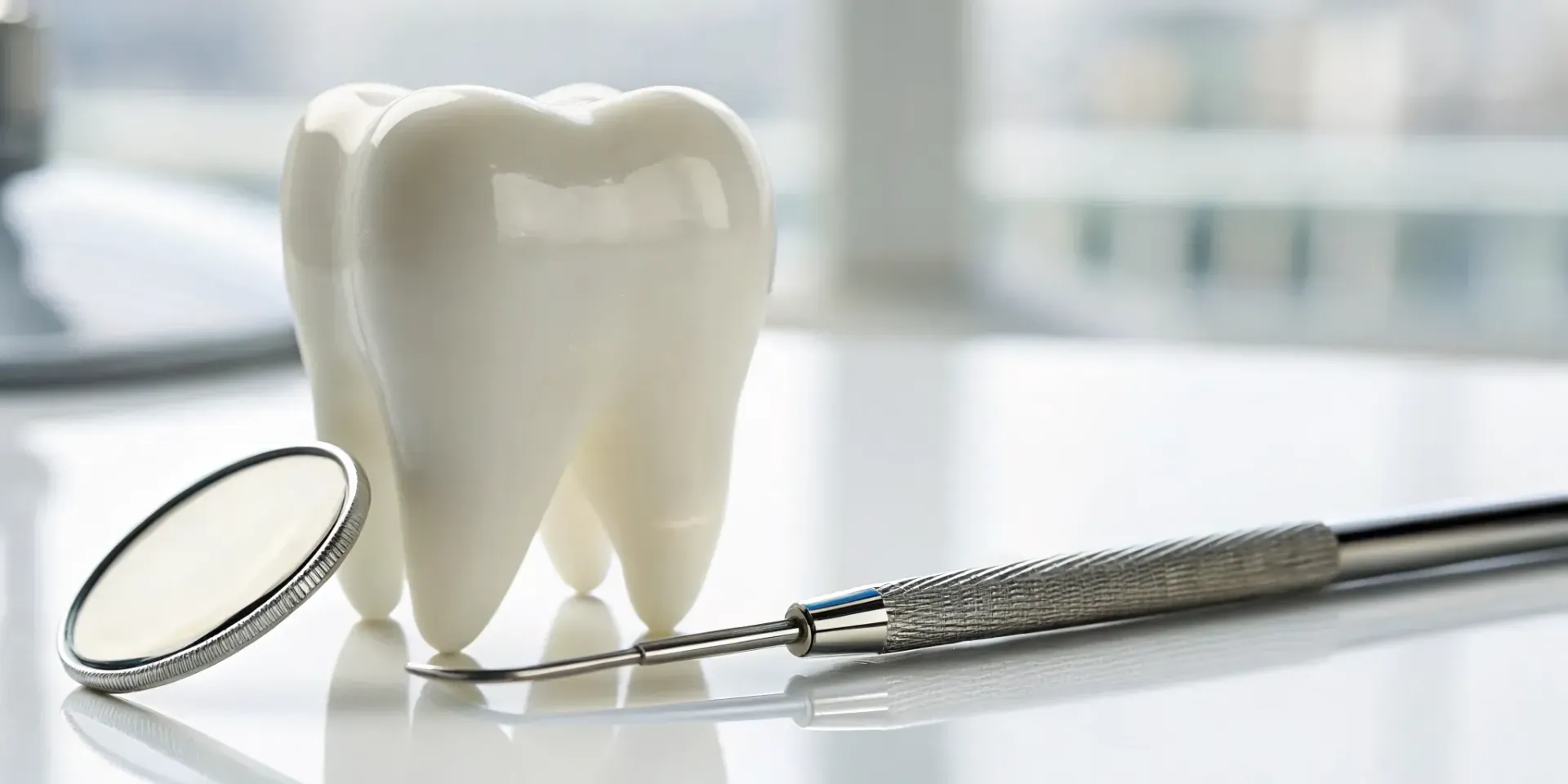
Tooth decay, also known as dental caries, is the breakdown of your tooth’s hard outer surface, the enamel. Think of it as damage that happens over time. It starts when bacteria in your mouth use the sugars from foods and drinks to create acids. According to health experts, these acids are strong enough to eat away at your enamel, eventually creating tiny holes called cavities.
This process doesn't happen overnight; it’s a gradual weakening of your tooth’s defenses. The good news is that with the right habits and regular dental check-ups, you can stop decay in its tracks and even reverse the earliest signs of damage. Understanding how it happens is the first step toward keeping your smile healthy and strong for years to come. Let’s look at what’s really going on inside your mouth.
How Does It Start?
It all begins with bacteria. Your mouth is home to many types of germs, and some of them are not so friendly to your teeth. As the National Institute of Dental and Craniofacial Research explains, these specific bacteria produce acids that launch an attack on your tooth enamel. This hard, protective layer is your tooth's first line of defense. When acids wear it down, they create weak spots. At first, you won't feel a thing, but this is the critical starting point of tooth decay. It’s a quiet process that can lead to bigger problems if it isn't addressed.
The Main Culprits: Bacteria, Plaque, and Acid
So, what helps these acid-producing bacteria thrive? The answer is plaque. The American Dental Association describes plaque as a sticky, colorless film of bacteria that constantly forms on your teeth. When you eat or drink things high in sugar and starches, the bacteria in plaque have a feast. They convert these sugars into harmful acids, which then attack your tooth enamel. This repeated acid attack is what leads to cavities. Regular brushing, flossing, and professional cleanings as part of your general dental care are essential for removing plaque before it can cause lasting damage.
The Stages of Decay
Tooth decay progresses through several distinct stages if left untreated. First comes demineralization, where you might see small white spots on your teeth. This is the earliest sign that the enamel is losing minerals. Next, the decay breaks through the enamel, forming a small cavity. If it continues, it reaches the softer layer beneath the enamel, called dentin. At this point, you might feel some sensitivity. From there, the decay can reach the tooth's pulp, which contains nerves and blood vessels, often causing pain. The final stage is an abscess, a severe infection at the root of the tooth. In cases where advanced decay leads to tooth loss, modern solutions like dental implants can fully restore your smile's function and appearance.
What Causes Tooth Decay?
Understanding what causes tooth decay is the first step toward preventing it. It’s not just about candy; decay is a process that involves several factors coming together. The good news is that most of these factors are things you can manage with the right habits and professional support. From your daily routine to your diet, let's look at the main culprits behind cavities and what you can do about them.
Gaps in Your Oral Hygiene Routine
Your mouth is home to bacteria, and some of them are not so friendly. When you eat, these germs feast on sugars and starches, producing acids as a byproduct. These acids attack the hard, protective outer layer of your teeth, called enamel. If plaque, the sticky film of bacteria, isn't removed, the acid will continue to dissolve your enamel, eventually creating a hole, or cavity. This is why a consistent brushing and flossing routine is so important. It physically removes the plaque before it has a chance to do lasting damage. Paired with regular professional cleanings, a solid home care routine is your best defense.
How Diet and Sugar Play a Role
What you eat and drink has a direct impact on your dental health. Foods and drinks high in sugar and starches, like soda, candy, juice, and even bread, are fuel for acid-producing bacteria. Every time you snack on these items, you start an acid attack on your teeth that can last for about 20 minutes. If you're frequently sipping on sugary coffee or grazing on starchy snacks throughout the day, your enamel is under constant assault and doesn't have time to recover and remineralize. Limiting these foods, especially between meals, gives your teeth a fighting chance to stay strong and healthy.
When Saliva Isn't Enough: Dry Mouth
Saliva is your mouth’s natural cleaning agent. It works around the clock to rinse away food particles, neutralize harmful acids, and help repair enamel. However, some medical conditions and medications can reduce saliva production, leading to a condition known as dry mouth. Without enough saliva to wash away food and buffer acids, your risk for tooth decay increases significantly. If you experience persistent dry mouth, it’s important to stay hydrated and talk to your dentist. We can discuss your symptoms and recommend solutions to help protect your teeth from the effects of reduced saliva flow.
Other Risk Factors to Know
Sometimes, your risk for tooth decay is influenced by factors beyond your daily habits. A family history of cavities can indicate a genetic predisposition. As we get older, our gums may start to recede, exposing the softer roots of our teeth, which are more vulnerable to decay than enamel. Certain medical treatments, like radiation for head or neck cancer, can also damage the salivary glands and increase risk. Understanding these factors is key. During your general dentistry appointments, we can identify your specific risks and create a personalized plan to keep your smile healthy for years to come.
What Are the Symptoms of Tooth Decay?
Tooth decay can be sneaky. It often starts quietly, without any obvious signs or pain. As it progresses, however, your body will start sending signals that something isn’t right. The symptoms you experience depend entirely on how advanced the decay is. Recognizing these signs, from the earliest whispers to the later, louder alarms, is key to getting the care you need before a small issue turns into a major problem. Paying attention to your mouth can help you and your dentist intervene at the right time, keeping your smile healthy and strong.
Catching It Early: The First Signs
In the very beginning, you likely won’t feel any symptoms at all. The first visible sign of tooth decay is often a small, chalky white spot on the surface of your tooth. This spot indicates an area where minerals have been lost due to acid attacks from bacteria. Think of it as a warning sign. The great news is that at this early stage, the decay process can often be stopped or even reversed with proper care. This is precisely why routine general dentistry and regular checkups are so crucial. Your dentist can spot these early signs long before you can and recommend simple, effective treatments to protect your tooth.
When Decay Gets Serious: Later Symptoms
If early decay isn't addressed, the damage continues, moving deeper into the tooth’s structure. This is when you’ll start to notice more distinct symptoms. You might feel a nagging toothache or a sharp pain when you eat or drink something sweet, hot, or cold.
Other common signs of advancing decay include:
- Bad breath that doesn’t go away
- An unpleasant taste in your mouth
- Visible pits or holes in your teeth
If the decay reaches the innermost part of the tooth (the pulp), it can lead to a serious infection called an abscess. This can cause severe pain, facial swelling, and even a fever. If a tooth is too damaged to be saved, it may need to be removed and replaced with a solution like a dental implant to restore your smile.
Who Is Most at Risk for Tooth Decay?
Tooth decay doesn't discriminate; it can affect anyone at any age. However, certain life stages and habits can put you at a higher risk. Understanding who is most susceptible is the first step in providing extra care where it's needed most, whether for yourself or a family member. From toddlers getting their first teeth to seniors managing their long-term oral health, the challenges and risks change over time. Knowing these risks helps you stay one step ahead in protecting your smile for life.
Why Kids and Teens Are Prone to Cavities
It’s a common scene: a child’s first trip to the dentist ends with the news of a small cavity. There’s no need to panic, as this is incredibly common. In fact, cavities are one of the most frequent health issues for children. Young kids are still mastering their brushing and flossing skills, and they often have a fondness for sugary snacks and drinks that bacteria love. For infants, even "baby bottle tooth decay" can be a concern, affecting their new teeth. The key is establishing a great oral hygiene routine early on and partnering with a dentist who can provide guidance and preventive care for your little one.
Dental Risks for Adults and Seniors
Many people think cavities are just a childhood problem, but adults are far from immune. As we age, new risks emerge. Old fillings can wear down or develop tiny cracks, allowing decay to creep in around the edges. Another common issue is gum recession, which happens when gums pull back from the teeth, exposing the sensitive roots. These roots don't have the same tough enamel as the crowns of your teeth, making them much more vulnerable to decay. This type of root decay is especially common in adults over 50. Consistent dental check-ups are essential for catching these issues before they become more serious.
How Your Dentist Finds and Fixes Tooth Decay
If you suspect you have a cavity, the best thing you can do is see your dentist. Ignoring the problem won't make it go away, and thankfully, modern dentistry offers a range of effective treatments to restore your tooth's health and function. At Perfect Smiles California, we use state-of-the-art technology to find decay in its earliest stages and create a personalized treatment plan that works for you. The approach we take depends entirely on how far the decay has progressed. From simple fluoride applications to more involved procedures like fillings or crowns, our goal is always to save your natural tooth and keep your smile healthy.
We understand that dental treatments can feel intimidating, so we’re here to walk you through every step with clear explanations and compassionate care. We’ll discuss all your options, answer your questions, and make sure you feel comfortable and confident in your treatment plan. Whether it's a tiny spot that just needs monitoring or a more significant issue requiring immediate attention, we have the expertise to handle it all under one roof. Our focus is on stopping decay in its tracks and getting your oral health back to where it needs to be.
Diagnosing Decay: What to Expect at Your Appointment
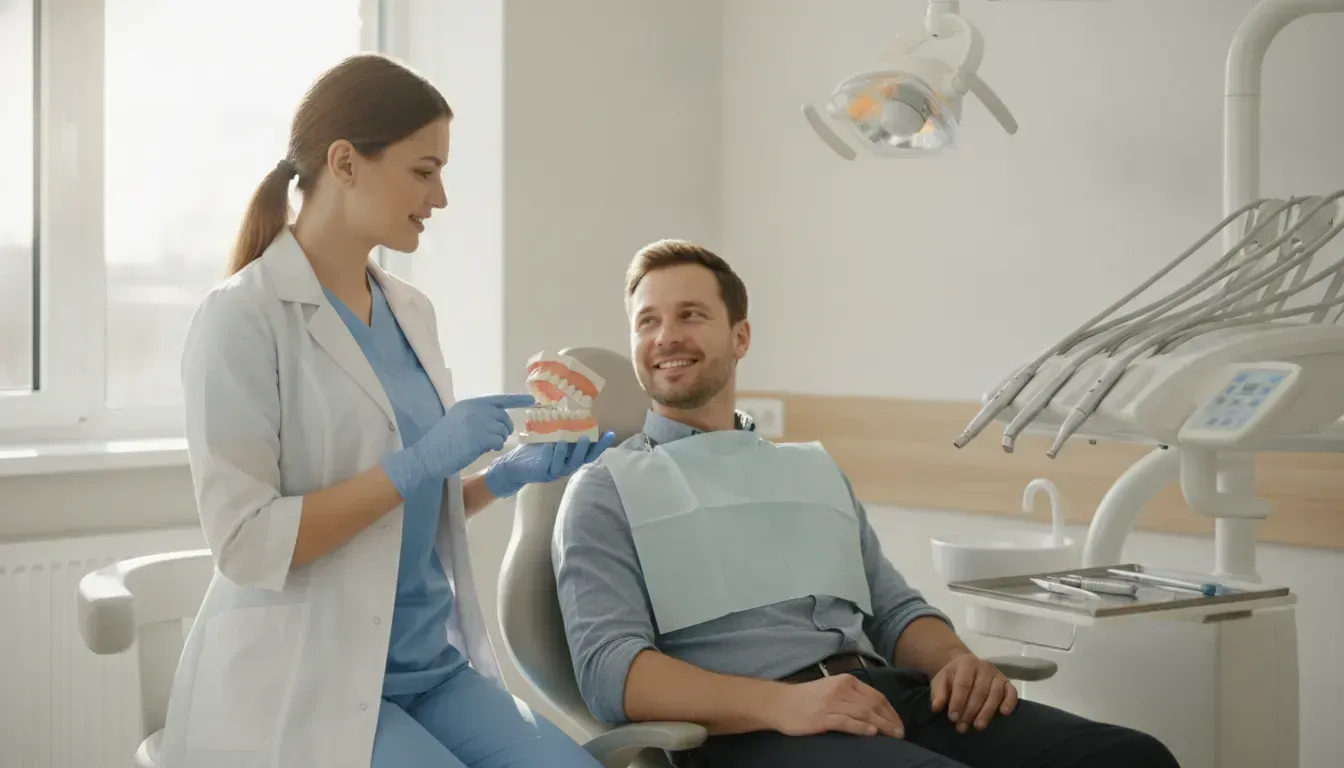
We can spot tooth decay during your regular dental check-up. The first step is a careful visual inspection, where we look for any tell-tale signs like white, brown, or black spots on your enamel. We’ll also gently check for any soft or sticky areas on the tooth’s surface, which can indicate that the enamel has weakened.
Because decay can hide between teeth or below the gumline, we also use dental X-rays to get a complete picture of your oral health. These images allow us to see cavities that aren't visible to the naked eye. This thorough process is a key part of our general dentistry services and helps us catch problems before they become more serious.
Reversing Early Decay with Fluoride
Here’s some good news: if we catch tooth decay very early, we can often stop it in its tracks without any drilling. This early stage, called demineralization, is when the tooth’s enamel has started to weaken but a full cavity hasn't formed yet. In these cases, a professional fluoride treatment can be incredibly effective.
Fluoride is a mineral that helps strengthen tooth enamel and can even help reverse the initial stages of decay by replenishing lost minerals. This simple, painless treatment is one of the biggest reasons why regular dental visits are so important. Catching decay at this point saves you from needing a filling down the road.
Repairing Damage with Fillings and Crowns
When decay has created a hole, or cavity, in your tooth, we’ll need to repair the damage. The most common treatment for a cavity is a filling. The process is straightforward: we first numb the area to ensure you’re comfortable, then gently remove the decayed portion of the tooth. Finally, we fill the clean space with a durable, tooth-colored material that restores the tooth’s shape and strength.
For larger cavities or teeth that have become weak, a dental crown may be a better solution. A crown is a custom-made cap that fits over the entire tooth, providing comprehensive protection and support.
Treating Advanced Decay: Root Canals and Extractions
If decay reaches the innermost part of the tooth, known as the pulp, it can cause a painful infection. When this happens, a root canal is often necessary to save the tooth. During this procedure, we remove the infected pulp, carefully clean the inside of the tooth, and then fill and seal it. While root canals have a scary reputation, the procedure is designed to relieve pain, not cause it.
In some cases, the tooth may be too damaged to save. If a root canal isn't an option, an extraction (pulling the tooth) might be the only way to protect your overall oral health from the spreading infection.
What Comes After an Extraction?
Losing a tooth can feel overwhelming, but leaving an empty space in your mouth can cause more problems later on. The surrounding teeth may start to shift into the gap, leading to bite issues and making other teeth harder to clean. That’s why it’s so important to replace a missing tooth.
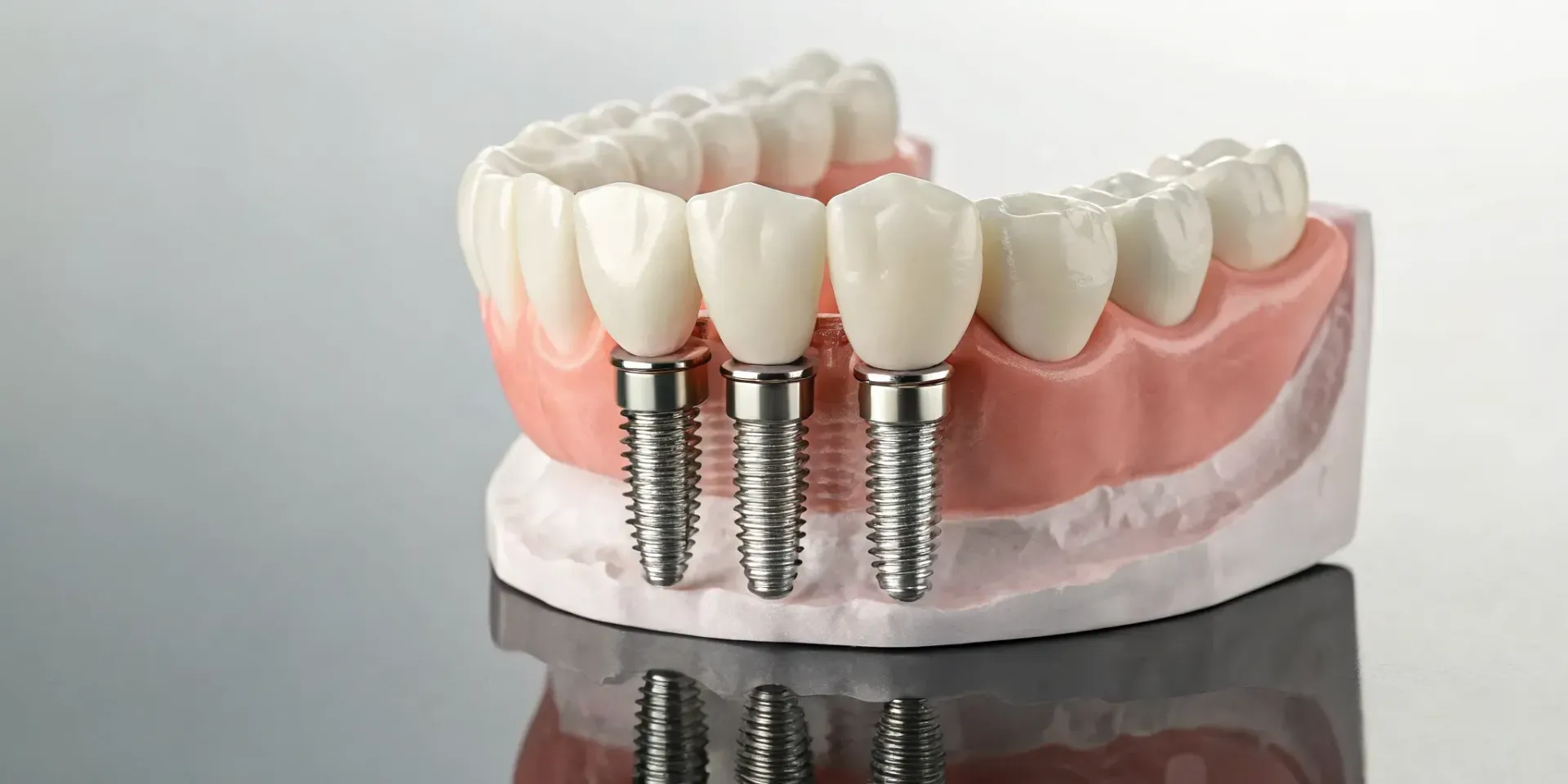
We offer several excellent options for tooth replacement. Dental implants are a popular and permanent solution that looks and functions just like a natural tooth. A dental bridge is another great option that uses neighboring teeth as anchors to hold a replacement tooth in place. We can walk you through the best choice for your smile and long-term health.
How to Prevent Tooth Decay
The best way to deal with tooth decay is to stop it before it ever starts. While that might sound like a tall order, prevention is much simpler (and more affordable) than treatment. It all comes down to a few consistent habits that disrupt the decay process and keep your teeth strong. Think of it as your personal defense plan for your smile. By taking control of your daily routine and partnering with your dental team, you can significantly lower your risk of developing cavities and other oral health issues.
Preventing tooth decay isn't about achieving perfection; it's about building a strong foundation. This involves being mindful of what you eat, mastering your brushing and flossing technique, and taking advantage of protective treatments that give your teeth an extra shield. It also means recognizing the power of professional care. Your dentist can spot trouble long before you can, offering guidance and treatments that are tailored specifically to you and your family’s needs. These simple, proactive steps work together to protect your enamel, neutralize harmful acids, and maintain a healthy mouth for years to come.
Master Your At-Home Oral Care Routine
Your daily habits are your first line of defense against cavities. Good oral hygiene is key, and it starts with brushing your teeth at least twice a day with a soft-bristled brush and fluoride toothpaste. Brushing after every meal is even better if you can swing it. But don’t stop there; flossing daily is just as important. It’s the only way to remove plaque and food particles that get stuck between your teeth and along the gumline, where your toothbrush can’t reach. Making this routine a non-negotiable part of your day is the single most effective thing you can do to maintain your oral health between professional cleanings and check-ups.
Choose Foods That Protect Your Teeth
What you eat has a direct impact on your teeth. Bacteria in your mouth love to feed on sugars and starches, producing acids that erode your enamel. That’s why it’s smart to limit sugary drinks like soda and juice, as well as sticky candies and starchy snacks. Instead, focus on eating healthy, balanced meals rich in fruits, vegetables, and dairy. These foods not only provide essential nutrients for your body but also help keep your teeth strong. Try to avoid frequent snacking throughout the day, as this gives bacteria a constant supply of fuel to create harmful acids.
Extra Protection: Sealants and Fluoride
Sometimes, your teeth need a little extra help, especially in the cavity-prone years. Dental sealants are a fantastic preventive tool, particularly for children and teens. A sealant is a thin, protective coating that your dentist paints onto the chewing surfaces of the back teeth (molars). This creates a smooth surface that seals out food and plaque, preventing decay from starting in the deep grooves. Fluoride treatments, which can be applied during your regular check-up, also provide a powerful shield by making your enamel more resistant to acid attacks and even reversing very early signs of decay.
The Power of Regular Dental Visits
Even with the best at-home care, nothing replaces the expertise of a dental professional. Visiting your dentist for general dentistry check-ups every six months is essential for preventing tooth decay. During these appointments, we can perform a thorough cleaning to remove hardened plaque (tartar) that you can’t get rid of on your own. More importantly, we can identify potential issues when they are small and easily treatable. Catching decay early can mean the difference between a simple filling and a more complex procedure down the road. We make care accessible by accepting most PPO plans, and you can review our insurance and financing options to see how we can work with you.
Tooth Decay Myths vs. Facts
When it comes to tooth decay, there's a lot of information out there, and not all of it is accurate. Let's clear up some common misconceptions so you can feel confident about how you care for your smile. Separating fact from fiction is the first step toward better oral health for you and your family.
Myth: "Only sugar causes cavities."
Fact: While sugar is a major player, it’s not the only culprit. Cavities actually form when bacteria in your mouth feed on carbohydrates, which includes both sugars and starches. Foods like bread, crackers, and even milk contain these carbs. The bacteria then produce acids that eat away at your tooth enamel. This is why a consistent oral hygiene routine is so important. Brushing and flossing help remove the food particles and plaque that give these acid-producing bacteria a place to thrive. Our general dentistry services focus on preventive care to help you keep your teeth strong and healthy.
Myth: "Cavities only affect children."
Fact: Anyone with teeth can get a cavity, no matter their age. While cavities are common in children, who may still be learning to brush well or enjoy more sugary snacks, adults face their own unique risks. As we get older, our gums can recede, exposing the softer roots of our teeth to decay. Old fillings can also wear down or develop tiny cracks, allowing new decay to form around the edges. That’s why it’s so important for everyone, from the youngest member of your family to the oldest, to maintain regular dental check-ups. We’re proud to provide care for patients of all ages right here in Chula Vista.
Myth: "You can't reverse early tooth decay."
Fact: You can absolutely stop and even reverse the earliest stage of tooth decay. The first sign of trouble is often a small white spot on the tooth, which indicates mineral loss in the enamel. At this point, the damage hasn't become a full-blown cavity. With the help of fluoride from toothpaste and professional treatments, along with minerals in your saliva, your enamel can repair itself. This process is called remineralization. Catching decay at this white spot stage is one of the biggest benefits of regular dental visits, as we can spot the issue and recommend a plan to strengthen your tooth before a filling is needed.
Myth: "Brushing once a day is enough."
Fact: Brushing just once a day isn't enough to keep plaque and bacteria under control. To effectively prevent tooth decay, you should brush your teeth at least twice a day with a soft-bristled toothbrush and fluoride toothpaste. Ideally, it's best to brush after every meal to remove food particles before they can cause problems. A good oral hygiene routine is your best defense against cavities, and it’s a simple habit that makes a huge difference. If you're unsure about your technique or which products to use, we can give you personalized advice at your next appointment. We even offer a $99 new patient special to get you started.
Ready to Protect Your Smile?
Taking charge of your oral health doesn't have to feel overwhelming. While tooth decay is a common concern, it’s also highly preventable. By building a few simple habits into your daily life, you can keep your teeth strong and successfully defend against cavities. It all comes down to being consistent and proactive.
Here are the most effective strategies to protect your smile:
- Master Your At-Home Care: This is the foundation of good oral health for a reason. Brushing twice a day with fluoride toothpaste and flossing at least once daily is non-negotiable. This simple routine is your first line of defense, clearing away the plaque and bacteria that cause decay.
- Be Mindful of Your Diet: Sugary and starchy foods are fuel for the acid-producing bacteria in your mouth. You don’t have to give up your favorite treats entirely, but cutting back and rinsing with water after you indulge can make a huge difference in reducing your risk.
- Ask About Extra Protection: For an added layer of defense, especially for children and teens, dental sealants are a fantastic option. These thin, protective coatings are painted onto the chewing surfaces of back teeth to prevent cavities from forming in the first place.
- Partner With Your Dentist: You don’t have to do it all alone. Regular check-ups are your best tool for catching issues when they’re small and simple to fix. Our team provides comprehensive general dentistry to help you stay ahead of problems and maintain a healthy smile for life. We make it easy to get the care you need and are proud to accept all PPO networks.
Related Articles
- Gum Disease Treatment in Chula Vista, CA | Schedule Here
- Restorative Dentistry in Chula Vista, CA | Schedule Here
- Dental Crowns in Chula Vista, CA | Book Consultation
- General Dentistry in Chula Vista | General Dentistry Near Me
- Emergency Dentist Chula Vista CA | Perfect Smiles California
Frequently Asked Questions
Can tooth decay actually be reversed? Yes, but only in its earliest stage. When decay first begins, it appears as a white spot on your tooth, which is a sign of mineral loss. At this point, the damage is not yet a permanent cavity. With professional fluoride treatments and a solid at-home care routine, your enamel can repair itself and regain those lost minerals. This is one of the biggest reasons regular dental check-ups are so important; we can spot these areas and intervene before a filling becomes necessary.
If a cavity doesn't hurt, how will I know I have one? This is a great question because tooth decay often starts without any pain at all. You might not feel anything until the decay has worked its way through the hard enamel and reached the more sensitive inner layers of your tooth. Dentists can identify the earliest signs of a cavity, like subtle changes in color or texture, during a visual exam. We also use dental X-rays to find decay hiding between teeth or below the gumline, long before it would cause you any discomfort.
My tooth needs more than a filling. What are my options? When a tooth has a large area of decay or has become structurally weak, a simple filling may not be enough to protect it. In these situations, a dental crown is often the best solution. A crown is a custom-made cap that fits over your entire tooth, restoring its shape, strength, and function. If the decay has reached the tooth's nerve, a root canal may be needed to remove the infection and save the tooth from being extracted. We can handle all of these treatments right here in our office.
Are my kids really at a higher risk for cavities? It’s true that children and teenagers are often more susceptible to cavities. Their brushing and flossing skills are still developing, and their diets can sometimes include more sugary snacks and drinks. Plus, the deep grooves on their back teeth (molars) can easily trap food and plaque. To give them extra protection, we often recommend dental sealants, which are thin, protective coatings painted onto these chewing surfaces to seal out decay-causing bacteria.
Besides sugar, what are the biggest hidden causes of tooth decay? While sugar gets most of the blame, other factors play a big role. Starchy foods like crackers, bread, and chips break down into sugars in your mouth and can get stuck on your teeth. Frequent snacking, even on healthy foods, also increases your risk because it creates a constant acid attack on your enamel. Another major factor is dry mouth, since saliva is your body's natural defense for rinsing away food and neutralizing acid.