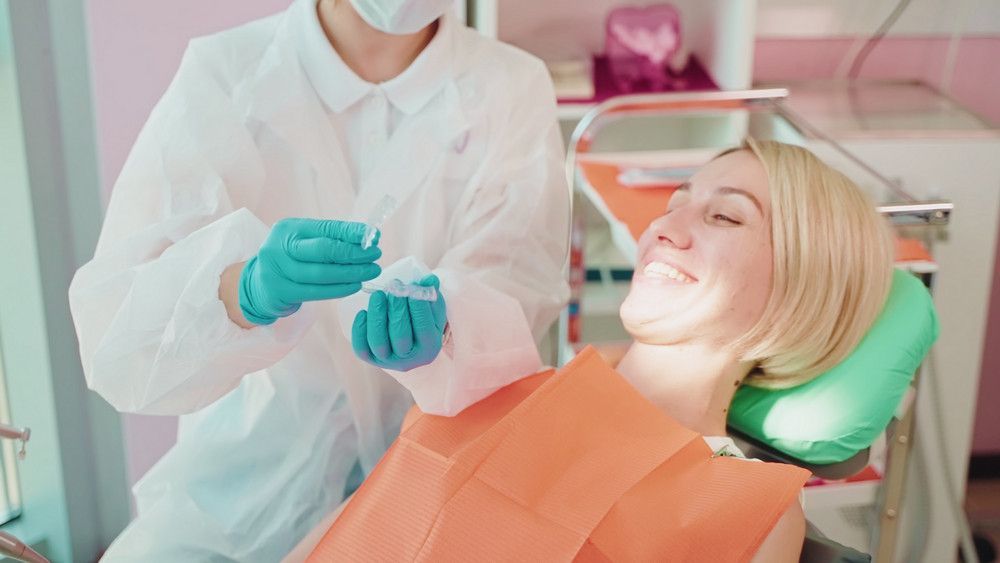
How Teeth Whitening Works and What Actually Removes Deep Stains
This is a subtitle for your new post

Tooth discoloration is one of the most common aesthetic concerns patients bring up at dental visits. Whether it comes from coffee, aging, tobacco, or simply genetics, stained teeth can make even a healthy smile look dull. That’s where teeth whitening comes in—but not all whitening methods work the same way, and not all stains respond equally.
At Perfect Smiles California, patients often ask what actually happens during whitening treatments and why some stains seem harder to remove than others. The answer lies in understanding how discoloration forms in the first place and how whitening agents interact with tooth structure.
Below, we break down how teeth whitening works, what it can and cannot remove, and why some stains require more advanced dental approaches.
What Causes Tooth Stains in the First Place?
To understand teeth whitening, it helps to know what is being removed. Tooth discoloration generally falls into three categories:
1. Extrinsic Stains (Surface Stains)
These develop on the outer enamel layer. Common culprits include coffee, tea, red wine, soda, and smoking. These stains are usually the easiest to treat with whitening.
2. Intrinsic Stains (Deep Stains)
These occur within the tooth structure, often in the dentin layer beneath the enamel. They can be caused by aging, trauma, certain medications, or excessive fluoride exposure during childhood.
3. Age-Related Discoloration
As enamel naturally thins over time, the yellowish dentin underneath becomes more visible. This creates a dull or yellowed appearance even without heavy staining habits.
Each category responds differently to whitening treatments, which is why results vary from person to person.
How Teeth Whitening Actually Works
Most professional and over-the-counter whitening systems rely on peroxide-based compounds, typically hydrogen peroxide or carbamide peroxide. These agents break down stain molecules through a chemical reaction called oxidation.
When applied to the teeth, peroxide molecules penetrate the enamel and reach discolored compounds inside. They break the bonds that hold stain particles together, effectively “bleaching” them into smaller, less visible components. This is the core mechanism behind teeth whitening, whether it’s performed in-office or with take-home trays.
In-Office Whitening
In-office treatments use higher concentrations of whitening agents, sometimes activated with a special light or laser. The controlled environment allows for stronger formulations and faster results, often in a single visit.
Take-Home Whitening Kits
Dentists may also provide custom trays with professional-grade gel. These are worn over a period of days or weeks, allowing for gradual whitening with more controlled sensitivity.
What Actually Removes Deep Stains?
This is where expectations matter. Not all stains respond equally to whitening.
Surface stains are typically the most responsive. Extrinsic discoloration from food, drinks, or smoking often lifts significantly with peroxide treatments. However, deeper intrinsic stains behave differently.
Why Deep Stains Are Harder to Treat
Intrinsic stains are embedded within the tooth’s internal structure. Because whitening agents must penetrate enamel to reach them, results are often limited or slower. Some deeper discoloration—such as tetracycline staining or trauma-related darkening—may not respond fully to standard whitening.
In these cases, dentists may recommend alternative cosmetic solutions such as:
- Dental bonding
- Porcelain veneers
- Microabrasion techniques
- Combination whitening approaches
These treatments address discoloration that whitening alone cannot fully correct.
The Science Behind Whitening Limitations
While teeth whitening is effective, it has natural boundaries based on tooth anatomy. Enamel is semi-translucent, meaning the underlying dentin color plays a significant role in overall tooth shade.
If dentin is naturally darker or has been deeply stained, whitening can only brighten the enamel to a certain extent. This is why two people using the same whitening system can experience very different results.
Sensitivity also plays a role. Stronger whitening agents may not be suitable for every patient, especially those with thin enamel or gum recession.
What Actually Improves Whitening Results
Several factors influence how effective whitening treatments will be:
- Type of staining: Surface stains respond best, while intrinsic stains require more advanced care.
- Enamel thickness: Thicker enamel often produces more noticeable whitening results.
- Treatment consistency: Take-home systems require consistent use to achieve optimal brightness.
- Oral hygiene habits: Regular brushing, flossing, and dental cleanings help maintain results longer.
- Lifestyle habits: Reducing stain-causing foods and beverages helps preserve whitening outcomes.
Professional Whitening vs. Over-the-Counter Products
Over-the-counter whitening strips, pens, and toothpastes can help with mild staining, but they typically use lower concentrations of active ingredients. This means they primarily address surface stains and often require longer usage periods for visible change.
Professional teeth whitening systems used in dental offices are more controlled and customized. They are designed to balance effectiveness with safety, reducing the risk of uneven whitening or gum irritation.
Patients seeking more predictable results often find professional treatment more reliable, especially for moderate discoloration.
How Long Do Teeth Whitening Results Last?
Whitening is not permanent, but results can last anywhere from several months to a few years, depending on habits and maintenance.
To extend results:
- Limit staining beverages like coffee and red wine
- Rinse with water after consuming dark foods or drinks
- Use whitening toothpaste occasionally for maintenance
- Keep up with regular dental cleanings
Touch-up treatments may also be recommended periodically, especially for patients who frequently consume staining substances.
When Whitening Isn’t Enough
There are cases where teeth whitening alone cannot achieve the desired level of brightness. Deep intrinsic stains, enamel defects, or significant discoloration often require restorative or cosmetic dentistry solutions.
Dentists evaluate the cause of staining before recommending treatment. This ensures patients receive realistic expectations and effective results rather than repeated whitening attempts that may not improve the underlying issue.
The Role of Professional Dental Guidance
Because every smile is different, professional evaluation is important before starting any whitening regimen. A dental exam can identify the type of staining present and determine whether whitening is appropriate or if another cosmetic solution would be more effective.
Clinics like Perfect Smiles California tailor whitening recommendations based on enamel condition, sensitivity levels, and aesthetic goals. This personalized approach helps ensure both safety and visible improvement.
Ready for a Brighter Smile?
As awareness around cosmetic dentistry continues to grow, more patients are exploring whitening options to improve confidence and appearance. According to ADA News, up to 19% of Americans have whitened their teeth.
If you’re considering teeth whitening and want a treatment plan tailored to your smile, professional guidance makes all the difference. A dental evaluation can help determine the safest and most effective way to remove stains and enhance brightness.
Visit Perfect Smiles California to explore whitening options and schedule a consultation. A brighter, more confident smile starts with understanding what works best for you.